Why I Won’t Be at the Eczema Expo
The NEA downplays TSW while promoting the drugs that helped cause it.
When I was at my lowest during TSW (Topical Steroid Withdrawal)
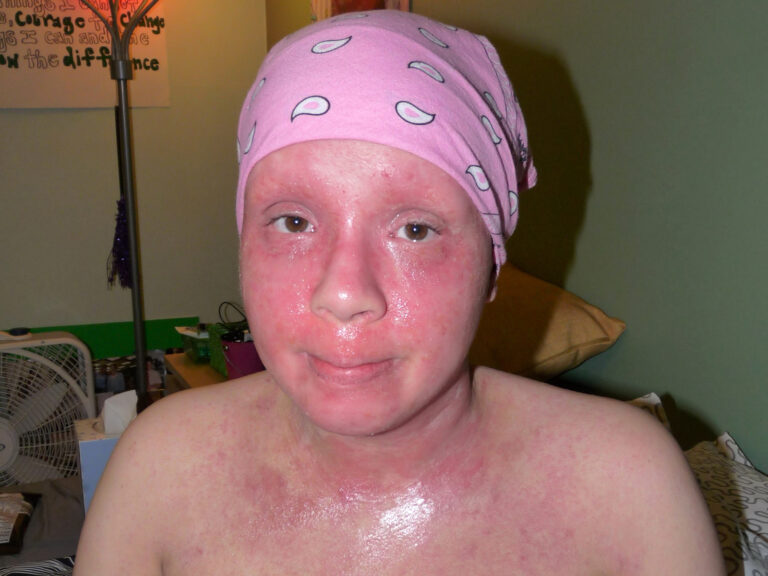
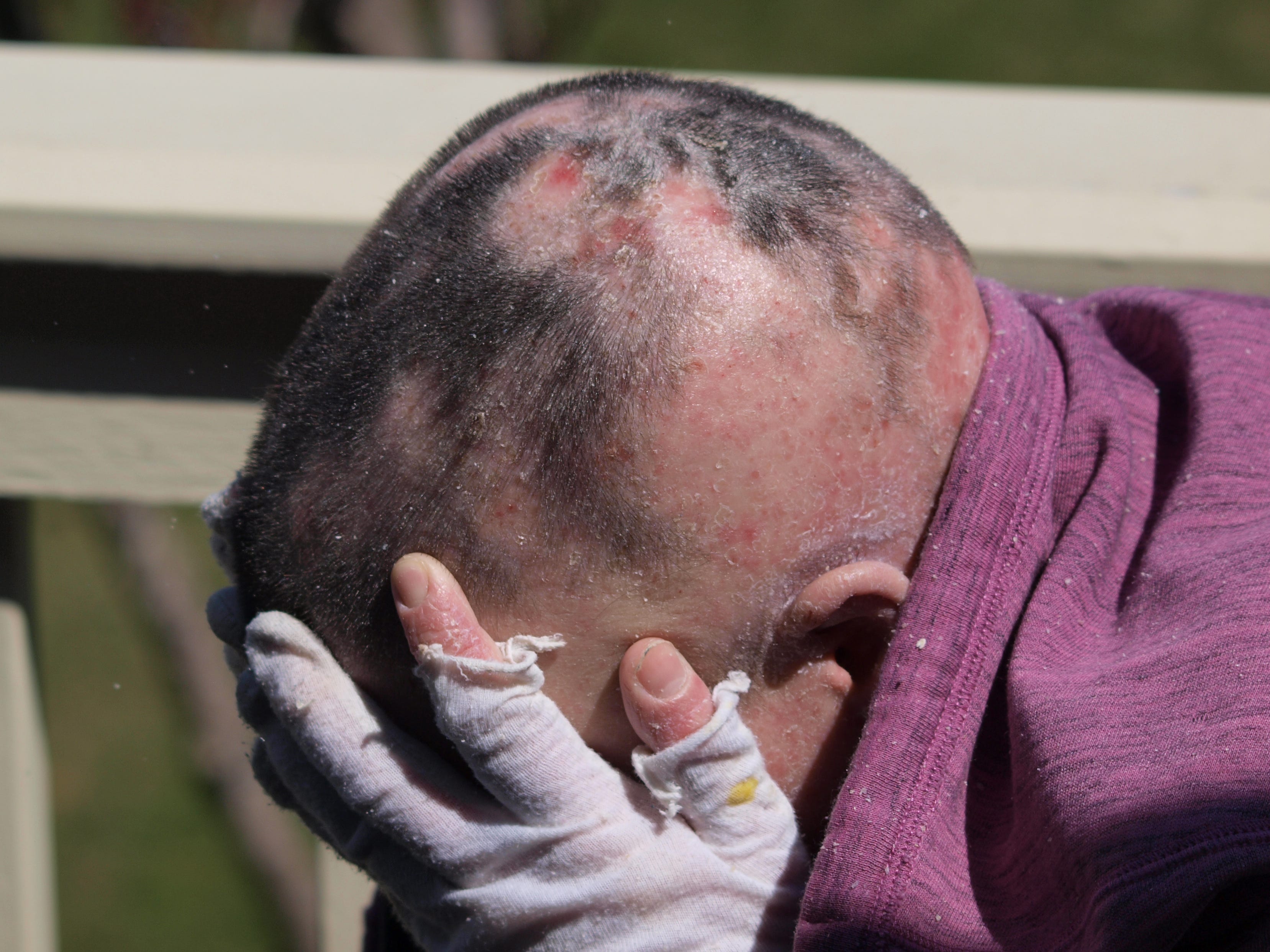
Burning, peeling, alone in my room, and afraid of my own reflection – I turned to organizations like the National Eczema Association (NEA) hoping to feel less alone and find more answers.
Like most of us, I wanted understanding and clarity about what I was going through. And although ITSAN (International Topical Steroid Addiction Network) existed and was raising awareness of TSW, I hoped to see others follow suit much sooner than they did.
It wasn’t until I was already years into TSW that NEA even acknowledged the condition and those of us going through it. Understandably, I wanted acknowledgment of what I was experiencing.
Unfortunately, all I found was silence. Or worse: denial.
The Slow Shift
When the NEA finally did mention Topical Steroid Withdrawal (TSW), it was in extremely vague and minimizing language. On their website as of 2024, they describe TSW as:
“A potential consequence of extended topical steroids use… remains under‑researched and often mistaken for atopic dermatitis.”
— NationalEczema.org
Let me break that down:
- “Potential side effect” – vague and downplays likelihood
- “Long-term or inappropriate use” – subtly blames the patient
- “Rare and poorly understood” – creates distance and undermines urgency
And then? Well… not much else. Other than the very many new treatments coming out, of course.
Follow the Money
It didn’t take long for me to realize:
This isn’t just a patient advocacy group.
It’s a well-branded extension of the pharmaceutical industry.
The NEA receives financial support from nearly every major pharmaceutical company that manufactures eczema drugs — including the very ones now pushing biologics as the solution for patients “unresponsive to steroids.”
These include:
- Sanofi & Regeneron – manufacturers of Dupixent
- Pfizer – maker of Cibinqo
- AbbVie – maker of Rinvoq
- Leo Pharma, Incyte, Dermavant, and more
These aren’t just casual donors. They are strategic partners of NEA, co-sponsoring events and directly funding the organization. In fact, in 2022, NEA received a $175,000 grant from Pfizer to “define eczema flares from the patient perspective” — a project that, conveniently, aligned with promoting their new drug launch (National Eczema Association Press Release).

When you read an NEA article about treatments, you’re essentially reading a story that is, whether directly or indirectly, shaped by the companies profiting off of those drugs.
And if TSW were widely acknowledged as a serious consequence of long-term steroid use?
That would jeopardize trust in the entire eczema treatment pipeline – from basic steroids to $60,000/year+ biologics.
…And that would be bad for business.
So here’s my not-so-hot take on this:
TSW isn’t being ignored by accident.
It’s being buried on purpose.
The Language of Erasure
Even when NEA does mention TSW, their language subtly erases the lived reality of thousands.
“Topical Steroid Withdrawal (TSW) is a potential side effect from long-term or inappropriate use of corticosteroids. While reports exist, it remains a rare and poorly understood phenomenon.”
— NEA’s Treatment Overview
This kind of language isn’t accidental. It’s legal padding. It provides cover. It gives the illusion of acknowledgment without any real accountability or action.
Meanwhile, biologics are marketed not just for eczema, but for the very damage steroids caused.
Advocacy or Advertising?
When an organization is funded by a specific industry or company, it serves that industry. Whether we want to admit it or not.
There’s no way NEA can speak freely about TSW or advocate boldly for those of us harmed by steroids—because doing so would jeopardize their partnerships and irritate their sponsors.
So they create just enough language to cover themselves legally, while continuing to promote the same treatments that led so many of us into TSW in the first place.
Then they guide us toward expensive, immunosuppressive drugs as “the next step.”
This isn’t advocacy.
This is containment.
Where That Leaves Us
I want to believe in patient advocacy.
I want to believe there’s still a place for organizations that truly care about the people they claim to serve.
But for many of us with TSW, the NEA has not been that place.
They’ve failed to protect us.
They’ve failed to warn others.
And in doing so, they’ve allowed our suffering to be repeated and even monotized.
Why I Won’t Be at the Eczema Expo
That’s also why I’ve chosen not to attend the Eczema Expo this year (July 24–27), yet again. Although I have attended virtual expo a couple of times, it never sat right with me.
Even though it’s marketed as a space for community and healing—and even though many people from the TSW community will be there—I personally can’t reconcile attending an event that is sponsored by the very pharmaceutical companies profiting off the harm so many of us endured.
Companies like Sanofi, Regeneron, Pfizer, and AbbVie don’t just sponsor the event, they shape the messaging. They set the tone.
And in a space where healing should be sacred, that just feels wrong to me.
So, I won’t be there.
Not because I don’t care – but because I do.
And because I believe true advocacy should be free from industry influence.